
Your money.
Working for your future.
Deposit euros, then put them into fixed-term deposits, business lending, crypto or a trading account — and watch every one of them from a single dashboard.
RegulatedCNMV register no. 244LIFT INVESTMENT MANAGEMENT SGEIC SA
rate
- Funded
- 7%
- Loan period
- 48 months
Euros in. Then you choose.
No jargon and no waiting to find out what happens next. Four steps, in the order they happen.
You deposit euros
A bank transfer to the account shown in your dashboard, with your own reference on it.
It lands in your cash
We match the transfer and your cash balance goes up. Nothing is invested until you say so.
You choose what to buy
A fixed-term deposit, a business loan, crypto, or money onto your trading account.
You hold it, and can sell
Each investment is yours, shown separately, with what it is worth and what it has earned.
Businesses raising money today.
Real companies, with what they do, what the money is for, what secures it and what they pay. You choose which ones — and how much of each.
rateFunded7%Loan period48 monthsRetail TechnologyBQuantumRetail Analytics Ltd18%Interest

rateFunded25%Loan period30 monthsCybersecurityASecurePath Cybersecurity Ltd9.3%Interest
rateFunded0%Loan period36 monthsRetail & FoodAFreshWay Supermarkets Ltd9.2%Interest

rateFunded0%Loan period36 months

- Interest earned
- €564
- Paid to you monthly
- €232
- Rate used
- 10.5%
Based on the 45 loans open right now, whose rates average 10.5%. It assumes every repayment is made on time. If a business defaults, our Lending Guarantee covers your capital up to €100,000 per client per year, and interest keeps flowing from day 3 of any late payment — the firm's own promise, with the full terms at /lending-guarantee.
Five places for your money.
Each one is its own thing, held separately, with its own screen in your account. Hold one or hold all of them.




Let it trade, with a manager of your own.
ForaBot trades your trading account automatically. A trading manager sets it up with you, agrees what it may trade and how much, and reviews it with you. You can stop it at any time.
We do not publish what it earns and we do not tell you what it will earn. The fee is for the service and is charged whether the trading makes money or loses it.
See what ForaBot includesEverything you hold, in one place.
Your cash, every deposit, every loan you have funded, every coin and your trading account — valued at the same live prices you see here, each one saying when it was true.
- One balance for your cash, and a separate figure for each investment.
- Fixed-term deposits show what they earn each day and exactly what comes back at the end.
- A practice account with €10,000 of virtual money — clearly labelled, never mixed with the real figures.
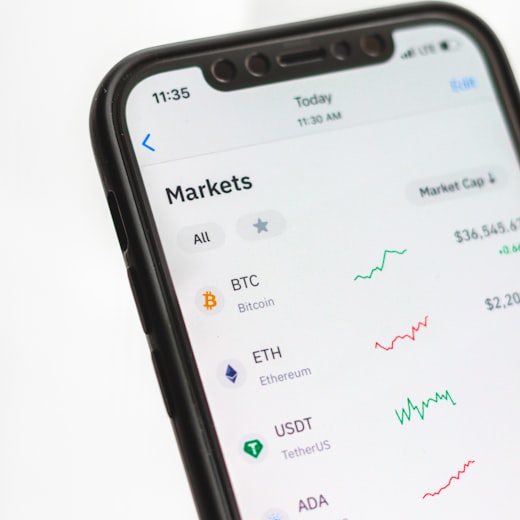
- BTCBitcoin71,323.00 EUR+0.05%
- ETHEthereum2,065.45 EUR+0.06%
- GC=FGold · front-month futures4,014.70 USD−0.59%
- ^GSPCS&P 500 · index7,676.77 USD+0.70%
Not dealing prices. The same quotes value the holdings you track.
Built to be understood.
Serious investing should feel calm and clear — not like a casino.
Plain
Everything is written the way it would be explained out loud. No jargon standing in for an answer.
Honest
Every figure comes from a real price or your own money moving, and says when it was true.
Separate
Each investment is held in its own right and shown on its own — never blended into one number you cannot take apart.
Regulated
LIFT INVESTMENT MANAGEMENT SGEIC SA, on the CNMV register at no. 244, for retail and professional clients.
Built for trust.
Investfora is part of LIFT INVESTMENT MANAGEMENT SGEIC SA, authorised and supervised by the CNMV (Comisión Nacional del Mercado de Valores), register no. 244. You can look the register up yourself — it is public.

- Regulated in the EU — LIFT INVESTMENT MANAGEMENT SGEIC SA is authorised and supervised by the CNMV in Spain, register no. 244, serving retail and professional clients.
- Strong authentication — breached-password screening and device management, and every session listed for you to end.
- Every movement written down — money in, money out and every buy and sell is a line in your activity, in plain language, that nobody can quietly change.
- Risk stated first — each product says what can go wrong before it says what it can pay. We never promise a return.
The value of investments and crypto assets can go down as well as up and you may get back less than you invest. Crypto assets are highly volatile and are not covered by any investor-compensation or deposit-guarantee scheme. Nothing on this site is investment advice or a recommendation.
A new name in investing. A future we're building together.
Investfora is a new investment platform built with a clear vision for the future of investing.
The people behind Investfora.
The things people ask first.
Including the ones with an uncomfortable answer.
Is my money safe?
It depends which money, and the honest answer is not one word. Cash sitting in your account is yours and is not lent out. A fixed-term deposit is held by the bank and covered by that bank's deposit-guarantee scheme, up to €100,000 per person per bank. Money lent to a business is covered by our own Lending Guarantee — a promise from Investfora, not a government scheme, with its limits set out on our protection page. Money put into crypto or moved to a trading account is invested and is covered by nothing — it can fall, and you can get back less than you put in.
Can I lose money?
Yes. Crypto can fall a long way and quickly, a trading account can lose more than you expect, and neither is covered by anything. A bank deposit is protected by the bank's guarantee scheme up to €100,000, but still depends on that scheme. Lending is covered by our own Lending Guarantee, which is a promise from this firm and therefore depends on this firm being able to pay it — read what stands behind it before you rely on it. Our protection page says which is which.
How much do I need to start?
Your first deposit into the account is €250. After that it depends on what you choose: each fixed-term deposit and each business loan sets its own minimum, shown on the offer before you commit, and those minimums are higher than €250. Crypto is the one you can start small on — from €1 a swap.
How do I get my money out?
Money you have deposited yourself can be withdrawn to the bank account in your name at any time. Money already invested comes back the way that investment works: a fixed-term deposit at its end date, a loan as the business repays, crypto whenever you sell. A deposit cannot usually be broken early. Reward and referral money is different — it can be invested straight away, and becomes withdrawable once you have funded and invested and that investment has run to its end.
Does it cost anything to have an account?
No. There is no account fee and no charge for holding cash. Individual products carry their own costs where they apply — a trading account has spreads set by the broker, crypto has the price you see at the moment you swap — and those are shown before you act.
What happens if a business does not repay?
The loan is chased, and where the loan is secured, recovery depends on that security. Beyond that, our Lending Guarantee covers the capital you lent to a loan that defaults, within the limits set out in the guarantee document. It is Investfora's own promise rather than a statutory scheme, so it is worth what this firm is worth — and spreading money across several loans is still how the risk is reduced.
Written the morning it was published.




Start building your future.
Open an account in minutes, deposit when you are ready, and choose what your money does next.